Neighbor-noise decision guide
Who should you contact about recurring neighbor noise?
Start with the nature of the problem, not a generic complaint form. The right route may be a neighbor, maintenance team, property manager, or an official local service—and each needs slightly different facts.
Choose a route before building a packet
Do not assume that sound heard through one wall or ceiling came from the nearest apartment. Plumbing, doors, rooftop equipment, elevators, and structure-borne impacts can travel through a building. Describe where you perceived the sound and leave the exact source unconfirmed unless you directly observed it.
A life-safety emergency, threat, violence, or fire
Use the emergency service for your location
Do not delay urgent help to complete a noise log.
Pipes, HVAC, doors, elevators, or an uncertain building source
Maintenance or building management
Room, perceived direction, time, duration, and operating conditions.
Ordinary household sound and direct contact feels safe
One calm neighbor message
Specific time window and the change you are requesting.
Repeated quiet-hours or lease-related disturbance
Landlord, property manager, HOA, or tenant association
Incident summary, relevant rule, earlier contact, and requested next step.
A local noise category appears to apply
The official non-emergency city or county channel
Correct source category, address, event details, and service-request number.
This is a routing aid, not legal advice. Lease terms, nuisance standards, emergency definitions, and agency responsibilities vary by location.
The minimum useful incident record
Capture facts while the event is fresh. You do not need a long recording or an accusation. A short, consistent entry is easier to compare across days.
- Date and start/end time: actual clock times, not “late again.”
- Neutral description: impacts, bass, voices, barking, machinery, or another observable sound.
- Place and conditions: affected room, windows open or closed, and perceived direction.
- Pattern: continuous, intermittent, or several clusters separated by quiet periods.
- Effect: woke from sleep, interrupted work, or made a room temporarily unusable.
- Follow-up: message, building ticket, recipient, response, and service-request number.
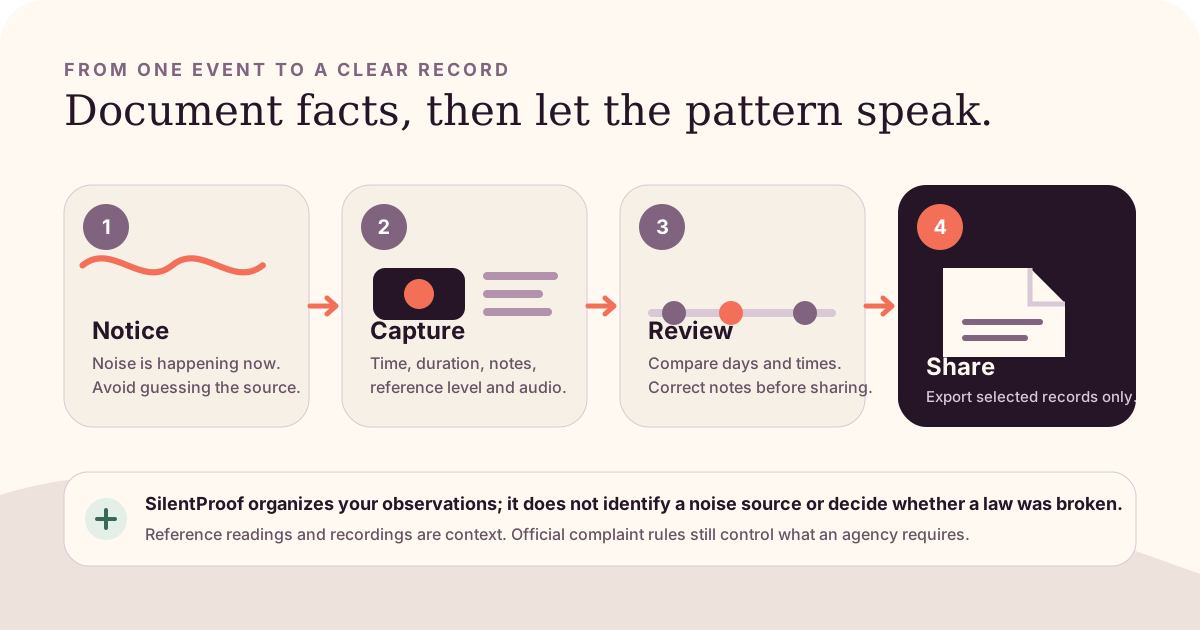
Official example: NYC routes noise by source
New York City does not use one universal “noise complaint” workflow. Its officialNoise Complaints pageroutes reports according to the source and location. The separateNoise from Neighbor pagesays many buildings have their own rules and suggests contacting the owner, superintendent, or tenant association.
That is a New York example, not a national rule. Use your city or county’s official website, select the closest truthful source category, and keep the service-request number. SilentProof does not submit or monitor an agency report.
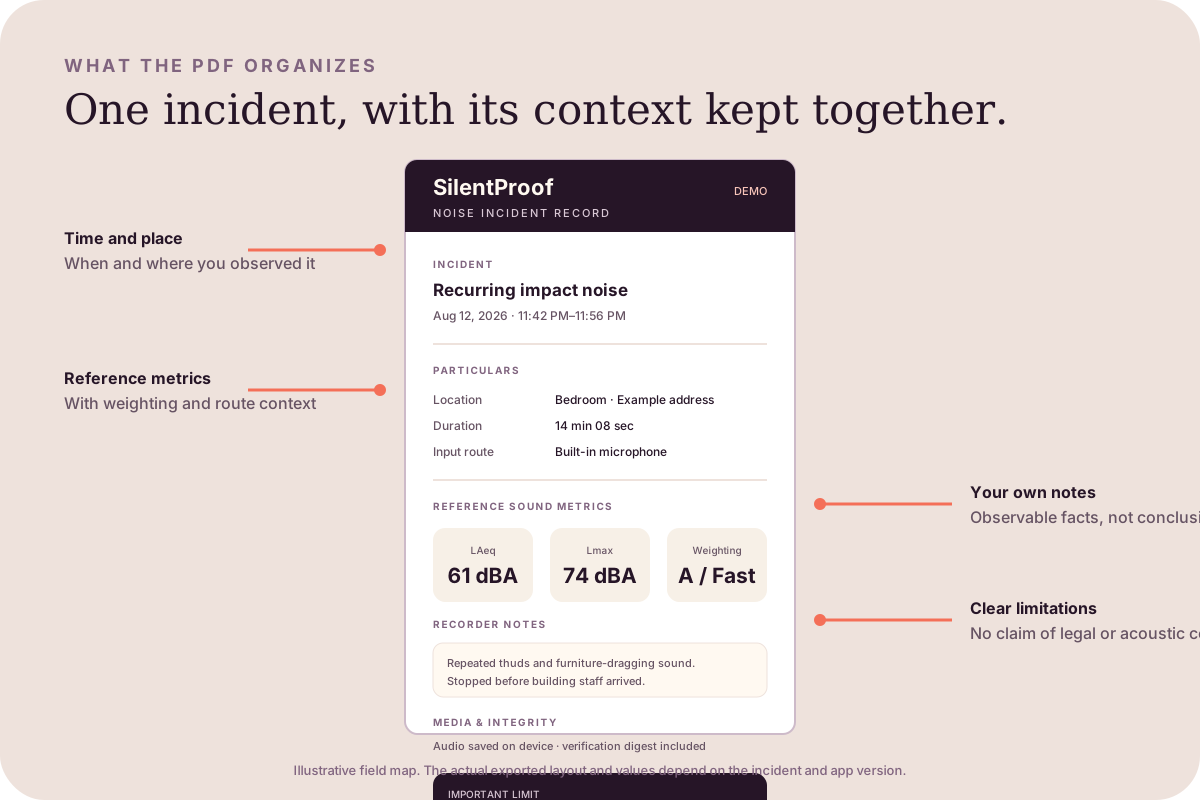
Where SilentProof fits
SilentProof helps you start an incident on iPhone, keep timestamps, reference sound levels, optional audio, and your own notes together, then export a PDF summary. Records remain on-device by default. Free includes unlimited incident recording and one PDF export.
It does not identify a neighbor, certify a measurement, decide that a rule was broken, file a complaint, or guarantee a response. You control what is recorded and shared; recording and privacy rules still apply.
Pick the next guide for your situation
Start with one clear record.
Free to start. Your records stay on your phone until you choose to share.