NYC Noise Code: What Tenants Need to Know in 2026
New York City’s noise code (NYC Administrative Code §24-218) sets specific decibel limits for different times of day. If you’re a tenant dealing with persistent noise, understanding these regulations is a useful first step toward building a clearer complaint record.
This guide is for informational purposes only and is not legal advice. Rules and enforcement practices may change.
Last reviewed: June 2, 2026. Verify current requirements with NYC DEP, NYC 311, or a qualified tenant professional before relying on any enforcement detail.
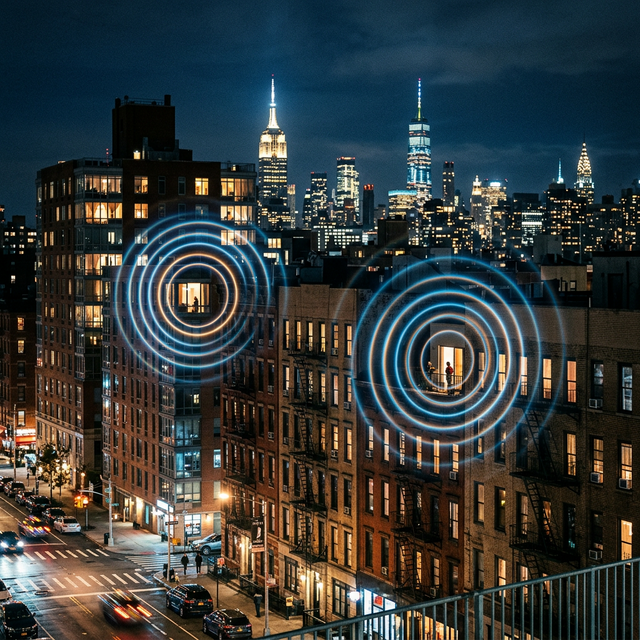
What the Code Actually Says
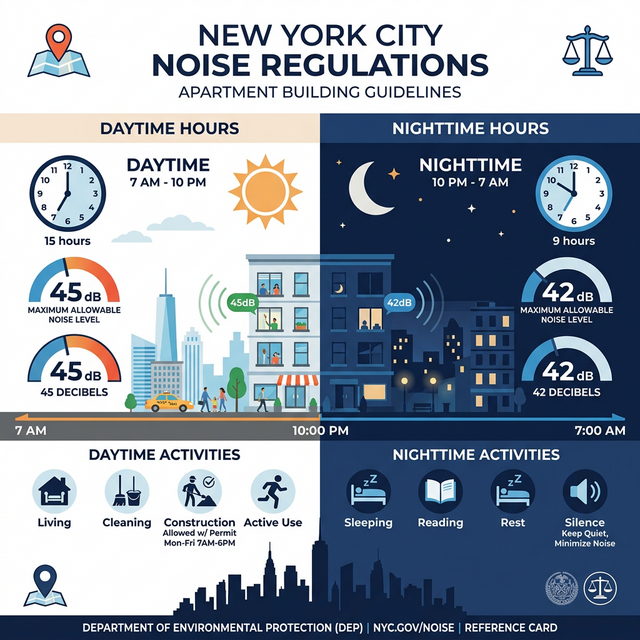
The NYC noise code doesn’t simply ban “loud” noise. It establishes measurable thresholds:
- Daytime (7 AM - 10 PM): Sound from an external source should not exceed 45 dB(A) inside your apartment
- Nighttime (10 PM - 7 AM): The limit drops to 42 dB(A)
- Construction: Generally prohibited between 6 PM and 7 AM on weekdays, and all day on weekends and holidays
For context, 42 dB(A) is roughly the level of a quiet library. A normal conversation at close range is about 60 dB(A).
Common Noise Sources and What to Do
Neighbor Noise
Music, parties, TV, and loud conversations from adjacent apartments are the most common complaints. If the noise regularly exceeds the code limits inside your unit, you have grounds for a complaint.
Construction
Construction noise is heavily regulated in NYC. The Department of Buildings issues after-hours work permits, but the work must comply with specific noise limits even with a permit.
Commercial Noise
Bars, restaurants, HVAC units, and delivery trucks are regulated under the same code. Commercial establishments can face fines for repeated violations.
How to File an Effective Complaint
- Document the noise with date, time, duration, and decibel readings. Apps like SilentProof can help organize this with timestamps and location context.
- Contact your landlord or management company first. Send a written complaint with your documented incident log or report.
- File a 311 complaint if the landlord does not act. Call 311 or use the NYC 311 app. Include your documented details.
- Contact your local community board for persistent issues. They can put pressure on enforcement.
Why Documentation Matters
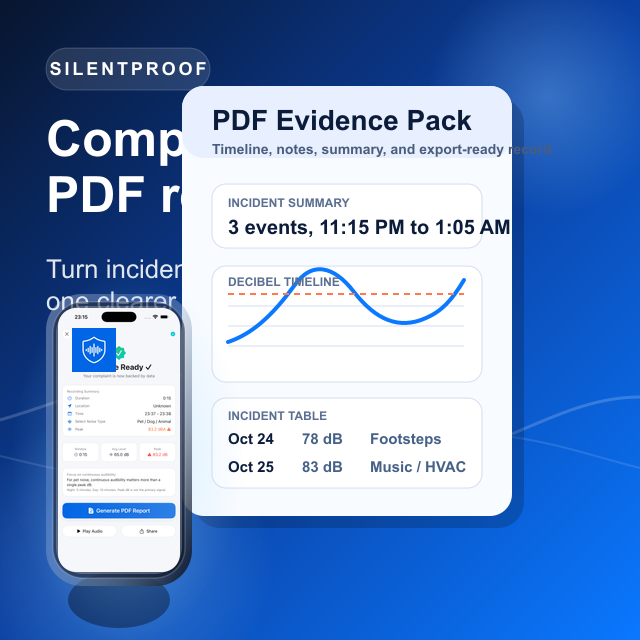
A 311 complaint with “my neighbor is loud” gives reviewers very little to work with. A complaint backed by timestamped decibel readings, specific dates and times, and a clear pattern of violations is easier to review. SilentProof is designed to organize this into one report: a PDF with a decibel timeline, location details, and your notes for 311 or property management follow-up.
Before Taking Legal Action
Persistent noise may support stronger escalation options, but legal outcomes depend on lease terms, documentation quality, and local court practice.
- Keep a complete timeline of incidents
- Preserve all written communications with management
- Consult a tenant attorney or legal aid clinic before withholding rent or attempting lease termination
Strong documentation improves your position, but it does not replace professional legal advice.
Official Sources
Related Resources
- NYC regulation reference page: /regulations/nyc
- 311 complaint script: /templates/311-noise-complaint-script
- Landlord letter template: /templates/landlord-noise-complaint-letter