NYC 311 Noise Complaint Checklist: What to Include So It Gets Taken Seriously
nyc 311 checklist
A weak 311 complaint is easy to close. A detailed complaint with clear time, level, and context is much harder to ignore.
This checklist helps you file cleaner NYC noise complaints.

Before filing: collect the essentials
Prepare these items first:
- Full address and unit details
- Current disturbance type
- Start time and whether it is ongoing
- Pattern over recent days/weeks
- Brief impact statement
Include clear details
When possible, include:
- Event timestamps
- Duration
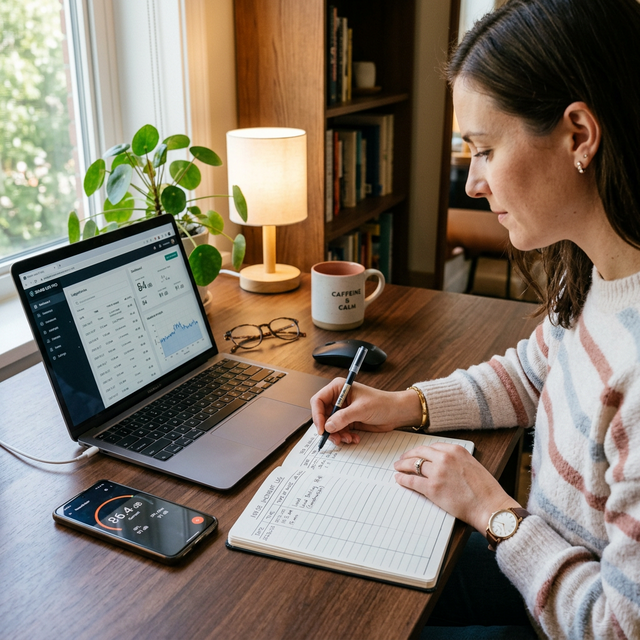
- Decibel observations
- Short notes describing the context
The goal is to show repeat pattern plus measurable impact, not one isolated annoyance.
Use city-relevant context
For NYC-specific context, review:
Keep in mind: regulation interpretation and enforcement are case-specific.
Example reporting format
Use this structure:
- Location: [address]
- Type: [music/construction/other]
- Current status: [ongoing yes/no]
- Time window: [start time to now]
- Pattern: [frequency and typical hours]
- Supporting details: [logs, measurements, exports]
For a ready script, use:
After filing
- Save your complaint number
- Continue logging incidents
- If unresolved, submit follow-up with an updated incident window
If management is also involved
Send the same factual summary to your property manager using:
Informational checklist only. Not legal advice.